Proud Member of the Rapid Response Team for:

Click Here To Learn More About How You Can Help
Or
Call 412-378-8779
Categories
- 2012
- 2013
- 2016
- 2017
- 2018
- Advertising
- Advocacy
- Amazing!
- Appellate Practice
- Apps for Lawyers and Others
- AVVO Answers
- Bankruptcy
- Blawging
- Business
- Casa San Jose
- Case Update
- Christmas!
- Civil Litigation
- Civil Rights
- Civility and Courtesy in the Practice of Law.
- Congressional Redistricting
- Constitutional Law
- Construction Law
- Consumer Protection
- Contract Law
- Coronavirus
- Courthouse Scenes
- COVID-19
- Credit Card Collection Litigation
- Criminal Law
- Cyber security
- Decision making
- Employment Law
- Encore Post
- Environmental Law
- Estates and Trusts
- Ethics
- Evidence
- Fair Housing
- Fake News
- Family Law
- Fifty Years Ago
- fracking
- Future of the Law
- Great Lawyers
- History
- Holidays
- How to . . .
- Humor and Satire
- Immigration
- insurance
- Jack Sez
- Landlord and Tenant law and litigation
- Lawyering
- Legal Education
- Legal Ethics
- Legal History
- Legal Marketing
- Legal Technology
- Legal Writing
- Life Affirmation
- Life on the Internet
- Links
- Milestones
- Mortgage Foreclosure
- News Commentary
- Oil and Gas
- On line chicanery
- On-line Security
- One Hundred Years Ago
- Oriegate
- Orphan's Court Practice
- Personal Privacy
- Personal Productivity
- Phishing
- Pittsburgh
- Pittsburgh Legal Back Talk
- Pittsburgh Legal Community
- Pokemon Litigation
- Politics and Government
- Post September 11
- Practice of Law
- Privacy
- Property Assessments
- Real Estate
- Real Estate Contracts
- Reassessment 2012
- Retweets
- Right to Reputation
- SCOTUS
- Screenshots!
- Security and Privacy
- Senior Lawyers
- Seven Foundations of Time Mastery for Attorneys
- Signs of the Times
- Solo by Choice: The Review
- Tell Us Something . . .
- Ten Years of Pittsburgh Legal Back Talk
- Tenth Anniversary
- Tenth Anniversary Year of PLBT
- The continuing American Revolution
- the Review
- trademark and service mark
- Trends in the Law
- UTPCPL
- Vocabulary Word of the Day
- Weekend Book Review
- Winners and Losers
- Words Lawyers Use
- Workers Compensation
- Zoning
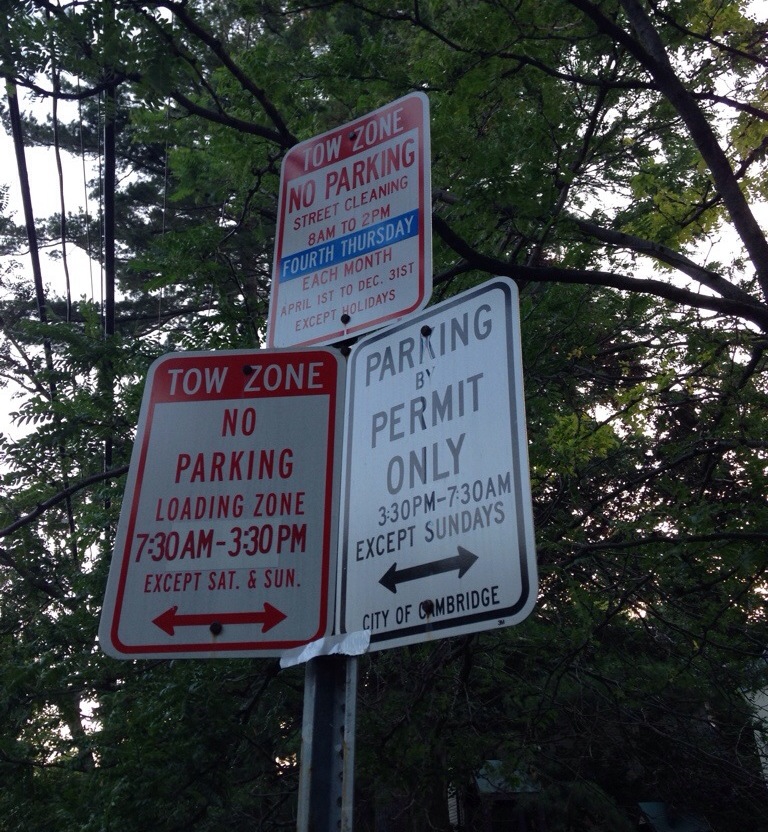
Encore Post: Signs Only a Lawyer Could Love
Posted by Cliff Tuttle| November 26, 2015 | © 2026
No. 1,233
Is Real Estate Evergreen or a Phoenix?
Posted by Cliff Tuttle| November 16, 2015 | © 2026
No. 1,232
Summary: Some say that real estate practice for lawyers is making a comeback. Maybe it is. But a young lawyer taking up real estate practice should not be a one trick pony.
I read a piece on the ABA Journal Web Site in which a legal recruiter stated that real estate transactional work, including residential real estate, is soon going to be one of the hottest fields of law.
Maybe it will. I’ve seen the real estate transactions market crash and burn numerous times. And then, miraculously, it rises from the ashes.
The demand for real estate never dies. It just goes into hiding. It flourishes in good times. But consumer confidence is fragile. When people are afraid, they don’t buy and they don’t borrow. But they don’t cancel their plans, they only postpone them. And when confidence returns, and it always has, they are back in the market again.
I’m not advising young lawyers to stay away from real estate. On the contrary. But develop another specialty or two to carry you through the dry spells.
CLT
Reading Above Your Comfort Zone
Posted by Cliff Tuttle| November 7, 2015 | © 2026
No. 1,231
Summary: Read something educational, not just entertaining. Better yet, read something written by a genius.

Trinity College Library, Dublin
Congratulations, you’re reading a book.
But what are you reading? Hmm . . . A little light, don’t you say?
Here’s an idea for your next book. Don’t just entertain yourself, educate yourself.
Read something written by somebody smarter than you. Like a genius. There must have been at least a million of them since the beginning of civilization. You choose.
If you read something written by a genius, you just might improve your own mind, elevate your thoughts, become a better person. Fancy that.
CLT
Afterthought: What am I reading? Fair question.
Phishing for Phools: The Economics of Manipulation and Deception by George Akerlof and Robert J. Schiller
Willpower: Rediscovering the Greatest Human Strength by Roy Baumeister and John F. Tierney
Recently finished:
Liespotting: Proven Techniques to Detect Deception by Pamela Meyer
Encore Post: “Daylight Spending Time”
Posted by Cliff Tuttle| November 1, 2015 | © 2026
No. 1,230
Summary: Don’t waste the hour you saved over the Summer. Do something worthwhile.
First published on November 2, 2014 as No. 1,116
Image: wordstrumpet.com
We’ve all heard others (not us) complain about how there are not enough hours in the day. Well, once a year they get their wish. Today, November 2, 2014 is a 25 hour day. Of course, we have been saving it since Sunday March 9, when we all had a 23 hour day. But for what?What are you going to do with the 25th hour?
Common answers: 1. Sleep. 2. Loaf. 3. Watch TV (especially football).
Not acceptable. You do those things every day. You owe it to yourself to spend an hour on something unique and different — something you wouldn’t do if you didn’t have that 25th hour.
But what? Here’s a few ideas.
– How about learning something? Not just anything, mind you. Perhaps, something important that has been kicking around in your brain. Or something useful that you ought to know.
– How about planning something? No, not your ordinary to-do list. Instead, think of something that you won’t plan and you should.
– How about taking inventory? Again, not an inventory you regularly do. Find something important that you don’t regularly inventory.
– Adopt a new habit. Yes, that’s right. What should you be doing habitually, perhaps daily, that you don’t do?
– Pray. Gratitude is a good start.
– Do a good deed. Charity really does begin at home, by the way.
– Spend it with your family. (The default choice when you come up blank on the others.)
But whatever you do, don’t waste it.
CLT
Getting to the Heart of It.
Posted by Cliff Tuttle| November 1, 2015 | © 2026
No. 1,229
SUMMARY: Brevity really is the soul of wit.

Image: church planting.com
I read a brief yesterday, submitted by an opponent. It was rather typical, actually. I see a lot of briefs like this one. It was long, too long. Actually, 3/4 of the total number of pages were exhibits. None of the exhibits were particularly relevant and all could have been omitted.
Most of the argument was irrelevant, too. And the part that really mattered was actually too short. And then there were string cites — a series of case citations to support a one sentence proposition that is not developed.
Briefs are, yes, supposed to present an argument briefly. But too often they don’t.They don’t get straight to the point and they don’t focus enough on what is important.
A brief is supposed to be persuasive. That means that you have to get to the heart of it. And then you have to make a good, plausible argument. And then you stop.
CLT
How Do You Get to Carnegie Hall?
Posted by Cliff Tuttle| October 25, 2015 | © 2026
No. 1,228
Summary: It is important to practice testimony before going to court.

Image: go simply.com
Its an old joke, but one with a point.
A few weeks ago, after winning a football game with an amazing end zone catch, the wide receiver said that they had been practicing that play all week. Musicians continue to rehearse material they have played over and over in concert. Actors rehearse their lines and reshoot scenes until they have it exactly right.
This principle is not just true for musicians, athletes and actors. Its also true for lawyers and their clients.
There is nothing wrong with rehearsing testimony. It is not cheating, you know — unless, of course, you are rehearsing lies.
It makes you self confident and focuses the mind. It makes your testimony more direct, less confusing and generally more effective. It enables you to hear yourself. And it improves the flow of questions and answers.
As a matter of fact, there aren’t any good reasons not to rehearse important testimony. The old saw “practice makes perfect” is still around because it never stops being true.
CLT
Is Your Lawyer Happy In His/Her Work?
Posted by Cliff Tuttle| October 18, 2015 | © 2026
No. 1,227
Summary: While some lawyers are subject to depression due to stress, there are many who enjoy their work and achieve satisfaction from helping people and solving problems. Happy lawyers do good work for their clients.

Image: work.cron.com
I ran across a short post from Time Magazine last night called “High Paying Jobs That Will Make You Miserable.”
Predictably, one of them was lawyering, which the article claimed (without citing any authority) was one of the groups most prone to suicide. We lawyers are also alleged to have a very high rate of depression and alcohol addiction. The not so subtle implication is that young people are lured to the legal profession by the siren song of money, only to be dashed on the rocks. It almost makes you feel sorry for the poor bastards. Almost.
Without a doubt, there are many lawyers who hate their job. Typically, lawyers work long hours under unrelenting stress and deadlines. If they are junior members of a law firm, they have little or no choice of cases and are expected to meet rigid billing requirements. Understandably, many of these firms have high turn over.
But not all lawyers are unhappy, even in large law firms. Many derive great satisfaction from helping people in crisis and solving problems. Some have, over time, reinvented their law practice to address new issues and establish new competencies. Even happy lawyers have bad days and are required to perform tasks they dislike. On balance, despite all the negatives, they enjoy what they do and it shows.
Does it make a difference to the client? Absolutely. A happy lawyer is enthusiastic. A happy lawyer is always looking for a new idea or a better approach to an old conundrum. Although she can’t bill time for “thinking”, a lawyer who enjoys her work often thinks about her cases while off the clock. She is proud of her achievements. Like a professional athlete, winning gives her joy.
Of course, sadness, sickness, frustration and a host of other maladies come to us all. These factors can temporarily keep us from achieving our goals. But a person who loves his work can overcome adversity. And so it is with all of us, no matter what we do in life.
CLT
Afterthought: Somerset Maugham observed that only the mediocre are at their best all the time.
Legal Ad of the week
Posted by Cliff Tuttle| October 15, 2015 | © 2026
No. 1,226


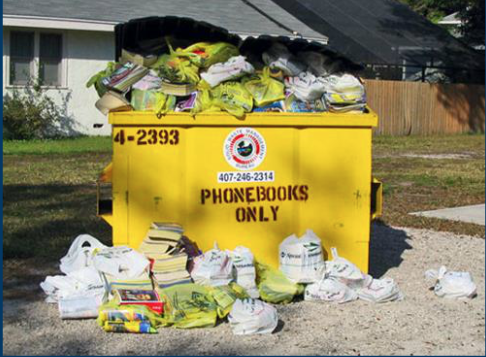
File Under: Things We Don’t Need Anymore.
Posted by Cliff Tuttle| October 9, 2015 | © 2026
No. 1,225
Something to Meditate.
Posted by Cliff Tuttle| October 6, 2015 | © 2026
No. 1,224
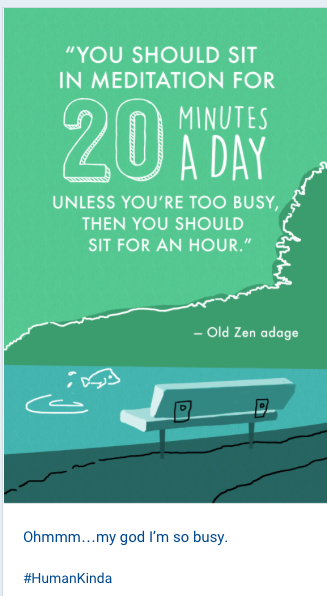
Summary: JetBlue has a link on its email ads called “Humankinda” about the fast pace and mindlessness of modern American life. Here’s a sample.
« go back — keep looking »
Welcome
CLIFF TUTTLE has been a Pennsylvania lawyer for over 45 years and (inter alia) is a real estate litigator and legal writer. The posts in this blog are intended to provide general information about legal topics of interest to lawyers and consumers with a Pittsburgh and Western Pennsylvania focus. However, this information does not constitute legal advice and there is no lawyer-client relationship created when you read this blog. You are encouraged to leave comments but be aware that posted comments can be read by others. If you wish to contact me in privacy, please use the Contact Form located immediately below this message. I will reply promptly and in strict confidence.
Recent Posts
- Sheriff Sales in the COVID-19 Era
- MORTGAGE FORECLOSURE: Cares Act creates gigantic opportunity for borrows under federally-backed and owned mortgages.
- PA Appellate Courts Schedule Arguments Using Electronic Media
- US Supreme Court holds that juries must render unanimous decisions in state criminal cases
- Signs of the Times — the future shortage of dentists.